- Part
- Part III: Minimalism in Practice · Chapter 16
Minimizing Plastic Intake
We have to do everything in our power as minimalists to defeat plastic waste. We need to be mindful of the plastic waste we are connected to. Plastic is so much more than your bottle of liquid. It's used everywhere. Plastic is your tape, the lining inside your coffee cup, the polyester in your blanket; plastic ends up being everywhere.
Research suggests that plastic exposure has adverse effects on human health, including inflammation, oxidative stress, endocrine system disruption, and potential accumulation in tissues. If we begin by reducing our direct exposure we also have an impact on secondary environmental exposure over time.
The plastic crisis and climate crisis need to be at the forefront of our thoughts and endeavors as we see balance and reduction. Let's dive into the ways we can reduce plastic waste. We begin with individual efforts but together our efforts can change the entire world.
During the recent COP28 UAE congregation in Dubai, I remember hearing the overall agreement on fossil fuels was significantly watered down to appease the Big Oil industry. The oil companies got what they wanted, not an outright ban nor a specific target on a ban, just an overall message was drafted that the goal was to shift away from fossil fuels.
Big Oil companies aren't too concerned about efforts to bring down fossil fuel emissions. Even if the burning of fossil fuels is reduced the oil will still be used for plastic production. Plastic use was at an all time high the last few years, worsened by the COVID 19 pandemic and the dominance of food delivery services.
Plastic bans work. Also plastic consumption reduction programs work even better. Take for example the plastic bag bans implemented in several regions across the United States in recent years.
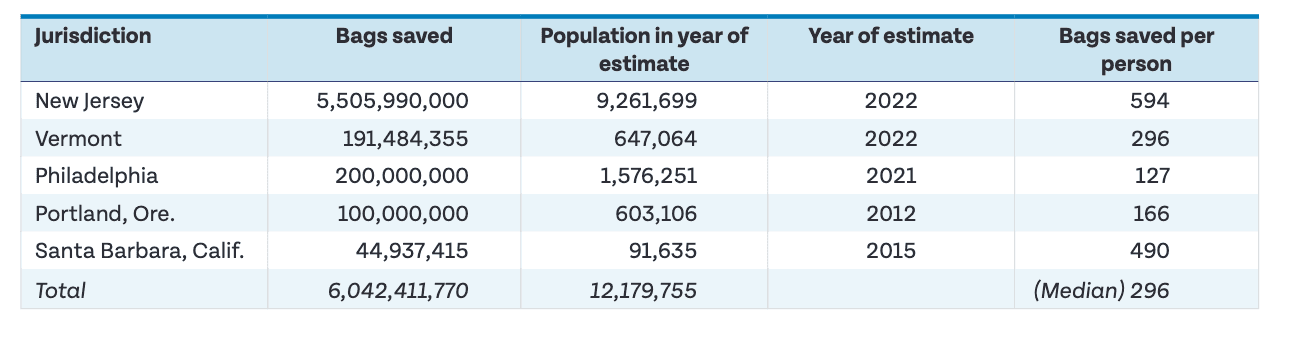
Sokolow, L., Meiffren-Swango, C., & Engstrom, J. (2024, January). Plastic Bag Bans Work. Public Interest Network. Retrieved from [https://publicinterestnetwork.org/wp-content/uploads/2024/01/Plastic-Bag-Bans-Work-January-2024.pdf\]
Using canvas tote shopping bags allows us to minimize the amount of disposable bags we would have otherwise used to pack then carry our groceries. We also become familiar with the weight of the bags once our groceries have been packed. It becomes habitual to not buy more than the bags can carry. We know how many bags to bring and never usually own more than the few bags we actually need for our shopping.
Microwaving plastic containers releases hundreds of thousands of microplastics into our food or beverages. It's better to acquire and reuse glass containers. Storing our food in these containers allows us to better separate our food from plastic.
Glass Food Distribution
While watching the film The Hustler, I noticed that the pool hall they played in had a glass water dispenser. Milk and soda were also mostly dispensed in glass containers. Why did everything switch to plastic? Is it even possible to buy a 3 or 5 gallon glass water container now?
What if every time you bought something, it came in a glass jar you could simply return to the store after you'd finished using it? The store could then send it back with the supplier's delivery truck, which would be returning anyway to restock inventory. The containers could be cleaned, refilled, and put back into circulation ‒ eliminating the need to manufacture new glass each time and dramatically reducing waste.
In many parts of Europe, this isn't hypothetical ‒ it's standard practice. Countries like Germany, for example, have long-established Pfand systems where consumers pay a small deposit when purchasing beverages in glass bottles. After use, they return the bottles to the store or a collection machine and get their deposit back. These bottles are then sent back to the manufacturer, cleaned, sterilized, and reused multiple times ‒ sometimes up to 50 cycles ‒ before they're ultimately recycled. This approach significantly cuts down on both energy use and raw material extraction, while also normalizing a more circular, low-waste mindset around consumption. Similar systems exist for milk, juice, beer, and other staples across the EU, showing that scaled, closed-loop packaging isn't just possible ‒ it's already working.
Glass distribution networks should replace single-use plastic packaging as a central feature of a sustainable food system. Consumers ought to be able to return glass containers to the point of purchase, allowing them to be cleaned, refilled, and reused ‒ either directly at the source or further down the supply chain. Supermarkets and food retailers should transition to systems that rely on reusable materials like glass, paper, and cardboard across all levels of distribution. These materials not only reduce environmental harm but also limit our exposure to microplastics and other contaminants commonly associated with plastic packaging.
When I visit the supermarket, I make a conscious effort to buy products packaged in glass, paper, aluminum, or cardboard. Applesauce in a glass jar. Juice in a glass bottle. Chocolate almond mix in a glass container. Milk in a paper carton ‒ though it still comes with a plastic cap that I throw away each time. I also seek out products packaged without plastic whenever possible, though it can be difficult to distinguish between renewable materials like cellophane and conventional petrochemical films. Navigating the store with this mindset feels like a small act of resistance ‒ an intentional shift toward more thoughtful, lower-impact consumption.
Stores should be equipped to receive these returned glass containers, reabsorbing them into the space once used for their original distribution. There's no compelling reason we can't move toward this system ‒ except for inertia and the influence of entrenched industries invested in keeping plastic the status quo. But we can do better. Building a reusable, circular packaging pipeline isn't a radical idea; it's simply a return to common sense. In fact, society has arguably regressed in this regard. We've moved away from a time when packaging was simple, minimal, and designed for reuse.
Embracing reusable glass systems is not just about environmental efficiency ‒ it's about aligning consumption with values of health, simplicity, and responsibility. This is the essence of minimalism: reducing waste, resisting excess, and choosing systems that prioritize longevity over convenience. By shifting our focus from disposability to durability, we foster a culture that values care ‒ care for the planet, for our bodies, and for the generations that will follow.
Distributed Plastics
If you saw 120 plastic bottles fall from the sky, you'd be right to feel concerned. But what if that number was multiplied by a million? That's equivalent to the amount of microplastics that fall on just 11 national parks and wilderness areas in the United States annually, according to new research -- more than 1,000 tonnes in those areas alone.
Most of us are already cognizant of how unsightly it is to encounter plastic trash outside. But why do we need to care about if we are inadvertently eating plastic? Does it actually do anything to our health or do we just filter it out and rid ourselves of it.
The first impact we need to recognize is the impact plastic has on our endocrine system. This is because plastic contains endocrine-disrupting chemicals (EDCs). A problem researchers have in understanding the impacts of plastic exposure is the rapid shifts to new chemicals. There are already more than 16,000 chemicals used in plastics manufacturing, and over 1,000 industrial chemicals used today are suspected EDCs. But aside from a small percentage of substances that are regulated, plastic producers aren't required to disclose the chemical ingredients they use.
The endocrine system is complex, involving a series of glands throughout the body that secrete chemical messengers called hormones. These molecules lock onto a cell's receptors to induce some kind of response: perhaps the production of another hormone, or the correction of a nutrient imbalance. Endocrine hormones control a long list of necessary human functions like growth, metabolism, reproduction, lactation, and managing blood sugar ‒ any malfunction, let alone absence, of these processes can lead to health problems like infertility, diabetes, hypertension, and death.
EDCs interfere with the body's hormonal signaling by mimicking, blocking, or altering the normal function of natural hormones like estrogen, testosterone, and thyroid hormones. These substances ‒ more than 1,000 identified so far ‒ are found in everyday materials including pesticides, building supplies, cosmetics, and especially plastics. Many plastic products, particularly food packaging, contain EDCs such as phthalates and bisphenol A (BPA), which can leach into food and be absorbed by the body.
EDCs are known to alter reproductive hormone levels, disrupt puberty timing, and impair fertility in both males and females. Studies in animals and some human populations suggest that early-life exposure to EDCs may influence sexual development and behaviors by affecting hormone-regulated brain structures. For example, prenatal exposure to BPA has been associated with altered play behavior in children and disrupted testosterone signaling in male rodents. While research into EDCs' impact on gender identity or sexual orientation in humans remains inconclusive and lacks strong peer-reviewed support, it is scientifically grounded to say that these chemicals can influence biological pathways tied to sexual differentiation, behavior, and hormonal balance.
Even tattoos expose individuals to EDCs. In one of the common carrier ingredients, acrylonitrile butadiene styrene (ABS), microplastics have been detected. ABS is a type of heat-resistant plastic that is used to make luggage, pipe fittings, appliance parts, and, when ground down, tattoo inks. When the ink is utilized to create the tattoo on someone's skin they end up ingesting and leaving their skin exposed to plastic damaging their health in the process. Butylated hydroxytoluene (BHT) was also detected in the tattoo ink itself. BHT is a food preservative that can disrupt the endocrine system, impacting testosterone levels and affecting sperm quality. In addition, it may cause liver enlargement, kidney dysfunction, and lung inflammation.
Some scientists accuse the chemical industry of "weaponizing uncertainty" to delay or kill regulation, a strategy they liken to Big Oil's campaign to raise doubt about the reality of climate change. But for many EDCs in particular, they agree there is strong enough associative evidence of their harms ‒ from cell and animal studies, as well as observations in people who have been exposed to the chemicals at work or as a result of an accident ‒ to warrant bans and restrictions.
According to a 2023 study on nanoplastics, "Our computer models show that PS plastic particles are able to enter/cross the BBB depending on their specific surface corona, and in vivo mouse models verified these findings, showing accumulations of specifical signals of nanometer-sized PS particles in brain tissues as early as 2 h after exposure." The study concludes, "Given the widespread use of plastics in our daily lives and the growing concern over the impact of microplastics on the environment and our health, there is an urgent need for more research in this field. By understanding the underlying mechanisms of plastic particle toxicity, we can develop policies and practices to reduce the risks associated with plastic consumption and protect human health." The problem is that there have been numerous studies focusing on the impacts of plastic of plastic pollution on the environment, however there have the potential human and mammalian consequences still remain understudied. Kopatz V, Wen K, Kovács T, Keimowitz AS, Pichler V, Widder J, Vethaak AD, Hollóczki O, Kenner L. Micro- and Nanoplastics Breach the Blood--Brain Barrier (BBB): Biomolecular Corona's Role Revealed. Nanomaterials. 2023; 13(8):1404. https://doi.org/10.3390/nano13081404
Receipts & Labels
In our modern age, printed receipts should increasingly be a thing of the past ‒ especially when digital alternatives are available. While there are instances where physical receipts are necessary for returns or recordkeeping, in most routine transactions they go unused, quickly discarded, or forgotten. Beyond being wasteful, they also pose health and environmental risks that are often overlooked.
Thermal paper, commonly used for printing receipts and shipping labels, contains harmful chemicals such as bisphenol A (BPA) or bisphenol S (BPS). These substances are used to create the heat-sensitive coating that allows the printer to produce text without ink. When you touch the printed side of a receipt, BPA or BPS can be absorbed through the skin or transferred to other surfaces. BPA, in particular, is a known endocrine disruptor linked to hormone-related health issues and reproductive problems.
Furthermore, thermal paper receipts are not easily recyclable due to their chemical content, which means they often end up in landfills or incinerators ‒ contributing to pollution and toxic waste. Reducing the use and distribution of these receipts not only protects personal health but also helps curb unnecessary plastic exposure and supports environmental sustainability. Whenever possible, opt for digital receipts or ask not to receive one if it's unnecessary. Small shifts like this contribute to a larger cultural move toward healthier, more sustainable habits.
Atmospheric Plastics
In public discourse, water safety often dominates conversations, with fluoridation frequently sparking debate ‒ even though its risks are scientifically minimal. Meanwhile, a far more pervasive and insidious threat receives less attention: the growing presence of plastic in our water, air, and even the rain that falls from the sky.
Plastic can now be found in rain. Scientists have discovered that microplastics are being carried by wind and precipitation, falling from the sky like synthetic dust. This unsettling reality highlights just how deeply plastic pollution has permeated global ecosystems. The discovery of microplastics in rainwater underscores the urgent need for comprehensive strategies to reduce plastic production, curb waste, and limit the invisible spread of these particles into our air, water, and bodies.
For those living a minimalist lifestyle, this reality reinforces a critical truth: what we consume ‒ whether it's fast fashion, packaged goods, or disposable items ‒ doesn't just vanish after use. It lingers in the environment, and ultimately, in our bodies. Microplastics have been found in human lungs, blood, and placentas. These invisible particles may carry toxic chemicals and contribute to inflammation, respiratory issues, and other health risks still being understood.
Minimalism offers a response. By consuming less, buying more consciously, and avoiding unnecessary plastic, we reduce the demand that fuels this cycle. A minimalist approach to consumption isn't just about decluttering your home ‒ it's about protecting your health, preserving natural systems, and rejecting a throwaway culture that pollutes the very air and water that sustain us.
Living simply becomes an act of resilience. A choice to breathe cleaner air, drink purer water, and live with greater awareness of how our decisions ripple outward.
Plastic Cessation
A large proportion of packages use excess packing material, far exceeding what's actually needed to move something from point A to B. Making some plastic storage vessel bigger than it needs to be. Wasting resources in order to deceive customers.
The cardboard box is sealed on all the sides and all the individually packaged food contents within are sealed with plastic and yet there is an extra layer of plastic that wraps around the box itself. Is this not a waste? Plastic to wrap plastic. Trash containers with plastic bags to store plastic disposables. It's kind of ironic to have a plastic trash bag containing a bunch of plastic trash. Where does the plastic utilization obsession end?
Push for the cessation of single use plastic use when it's unnecessary. We need to speak up about wasted packaging. The more questions we ask and changes we expect, the better. For example you can contact a company's customer service department and ask "Are you all using plastic to wrap more plastic? Can it be avoided?" When you see insanely wasteful plastic utilization choices, push for better options that are less adversarial to our health. Be an advocate for the overall reduction of waste by striving for minimal plastic utilization.
Putting It Into Practice
What you can do today:
- Bring canvas totes and choose loose or glass-, paper-, or aluminum-packaged goods over plastic-wrapped ones.
- Decline printed thermal-paper receipts and opt for digital where it's offered.
- Store and reheat food in glass rather than microwaving plastic.
Longer-term shifts:
- Shift staples to refillable or glass packaging, and seek out stores that support returns and refills.
- Contact companies about excess or unnecessary plastic packaging and ask for alternatives.
- Support deposit-return (Pfand-style) systems and limits on needless single-use plastic.
By the numbers:
- Producing plastic is carbon-intensive from the start: plastics drive about 3.4% of global greenhouse gas emissions ‒ 1.8 billion tonnes of CO₂-equivalent in 2019 ‒ and, left unchecked, that figure is projected to more than double by 2060 (OECD, Global Plastics Outlook, 2022). Because roughly 90% of it comes from making new plastic from fossil fuels, refusing single-use plastic strikes the emissions at their source.
- Refillable glass systems like Germany's Pfand cut this sharply: a returnable bottle reused 20–50 times spreads its production footprint across all those uses while eliminating the fossil feedstock new plastic requires.
Comments
Loading comments…