- Part
- Part III: Minimalism in Practice · Chapter 14
Consumerism
"Our life is frittered away by detail. Simplify, simplify."
- Henry David Thoreau, Walden
After college, my first job was as a technical consultant. I spent that year intensely focused on scraping together enough money to buy a reliable car---one that wouldn't break down in traffic on the freeway. Every dollar counted. Consumption wasn't even on my radar during that time; I was in survival mode. But things shifted when I transitioned into my second role, working full time as a Database Analyst at a fixed-income asset management firm in California. For the first time, I had financial stability---and with that, a sense of comfort I hadn't known before.
That's when the pattern of wasteful consumption began. I found myself shopping in my free time, frequently browsing stores when I didn't have a specific purchase need. I would spend time at and away from work scrolling through online stores without much thought. I bought clothes, gadgets, home goods---whatever seemed appealing in the moment. I made impulsive purchases without considering whether I needed them, or what they might cost in the long run---not just financially, but environmentally. Purchases were impulsive, driven by emotion or the allure of novelty, not necessity. I drifted into a cycle of unnecessary accumulation, detached from the minimalist values I had lived by during the foundational years of my life. I wasn't just buying things; I was buying into a lifestyle of excess that I had never questioned. I became disconnected from the environmental consequences of my habits or the kind of life I truly wanted to live
Consumption
Consumption can be thought of as a set of modifiable habits we utilize to help us achieve our long term best interests. Thinking about consumption as a methodical set of patterns we can change, allows us to shift the paradigm through which we make consumer decisions. New purchases should fundamentally focus on need and improvement. It's an investment in yourself. As a gift, it's providing a sort of backing to someone else who truly needs it. Overall it's about investing in long term growth and happiness.
Buying new things can be so thrilling. At times, setting out on a shopping trip filled me with a sense of excitement. I felt delighted to see a new package being delivered to my door step. I would quickly forget what I already had, rushing to buy more of the same thing. Maybe it would be very slightly different. Some subtle minute meaningless differences might have existed here and there, but nevertheless I would continue to consume more of it anyway. We end up directly causing further environmental destruction through mindless shopping escapades. Often we end up buying more of the same, quickly forgetting the comparable good we had already purchased last time.
Consuming things is about trust and need. Need should arise from the realization that something offers significant improvements to our current lifestyle. Trust is in the brand. It arises after one seeks to completely understand how the material is sourced and produced then distributed. Building an awareness of what we are consuming. Look for brands that have been around for awhile. A company able to consistently maintain its integrity in a constantly changing industry. Where sustainable values are embedded into the very fabric of the organization. Once we have found a company whose values we can place our trust in, then we can shift the focus to our needs.
- Do I truly need this item? If its a gift, does the person I intend to give this to truly need it?
- How long will the product last? When you buy something target to have it last at least several years. Generally clothes should last at least 5-10 years.
- Can you replace or repair just a piece of the item instead of buying an entirely new item?
- How long will I be able to use it?
- Will the lifespan of the product exceed our personal expectations for it?
- Have we identified the longest time frame a similar product on the marketplace can last?
- If you already have a piece of clothing of a given material and color, do you really need another piece of the same color and material?
Human consumption is the most powerful force in the modern world. Capitalism has been a driver of global wealth creation and economic growth. It focuses on a cycle of perpetual gains year over year. But growth needs to have limits and should not come at the expense of our health and well being. By minimizing our wasteful consumption we are able to maximize one of the benefits we can bring to the world through our lives.
Resisting all kinds of temptation is incredibly difficult. Consumption temptations are especially hard to resist given their pervasiveness in our capitalistic society. I feel the same sort of temptations as you might feel when an item I like is on sale. It looks like something is simply too good to be true. It feels like I just can't miss out on this promotion. In the moment this particular deal impacting this consumption choice is one I must have. These urges are one of the main drivers of wasteful consumption. We might feel like in the moment we are saving money; however in the end more money can be saved than imagined by being methodical about purchases. Buying anything, even at a discount means finances spent that could have been saved.
Even if it's free. Don't take it if you don't need it. For every unit of consumption we reduce there is one unit less that is needed to be produced. Don't overlook the importance of reducing consumption whenever you can. Even the smallest most trifling avoidance on a given day adds up significantly overtime. The more of us who avoid unneeded consumption, the more impact we will have on reducing overproduction and waste.
You don't need to buy things all the time. You don't need to own the newest thing that just came out. You don't need to go out to eat all the time, and you don't need to have food delivered. You can make these kind of things yourself so not only improve your health, but also improve your finances as well. You don't need to stream endlessly. You can consume less digital content, and you can reconnect with the natural in the physical world.
Building Intentionality
It's not just the little things that you waste it's the habits of waste that add up to one ending up with less money. Ending up poorer. You have to live by habits of conservation towards even the smallest of things in order to build up enormous wealth. Conservation and intentionality leads to significant monetary gains. The small things matter.
Turn on the radio. Get in the car. Open a website to read. Read social media posts. You'll see the same thing again: Ads are everywhere. The only way to avoid ads now is to pay subscription fees for every service we use.
We pay more to receive less ads from one channel, while we remain under bombardment from ads encountered on other channels.
How do you prevent impulse buying in a world where consumption is pushed upon you endlessly? Moreover what do you do if you make a bad purchase of something that doesn't work out in response to some external force that led to poor decision making? Is there a way to prevent mistakes before they happen so a product won't need to be returned?
The most difficult thing to do when you're having these kind of consumptive impulse emotions is to take a break and think about what you already have.
Go through all the options. Step back. Think again before purchasing. Reach out to others who will share the item with you before continuing. Don't rush the purchase. Eliminate choices or brands as you realize their aspects won't meet your needs.
Preventing Impulse Decisions
But how can one control these types of impulses? Especially in a capitalistic society that prioritizes on profits? How do you control impulsive buys? Controlling impulses is critical in a world that continuously drives us to make purchases based on feelings and urgency rather than on methodical selections.
Here are some exercises I've tried to free myself from my consumptive impulses. These can help strengthen minimalistic self-control:
- Walk through a store, then leave having bought nothing. As you walk around the store recognize any feelings that arise. If you have a yearning to acquire something, let the urge rise up within you, then step into the feeling. If you're able to, pick up the item and feel the material within your hands. Step back for a moment and revisit your interest in buying this thing. Think about what you already have or share that is comparable to this object.
- Walk through a store then leave having bought only one item you needed. Could be something like food or a beverage. Make sure you don't buy anything except the one type of item you intended to buy when you originally set out for the store.
- The same technique of deciding not to buy things that will likely end up as accumulated junk is also applicable when consuming items for our bodies. Go in to a store and pass by snacks and gluten to things that are more valuable for your body.
- Take time to sit down and go through your closet. If an aspect of the organizational flow is off in some way, spend some time readjusting the space. If you find things you didn't expect to be there, that's a pleasant surprise.
- Put time limits on your phone use. Specifically the apps you find yourself spending the most time on without the reciprocity of increasing your personal happiness.
- Once you have taken notes and absorbed something. Wipe away the notebook or whiteboard you had used. Recycle used paper notebooks after you no longer need them.
- When you buy clothes you need to feel the materials. When you try it on feel how your arms or legs pass through the openings. If its a top, try it on to feel it on your shoulders. See it in different lighting environments. Pinch the material between your fingers. How does it hold on to your body? How wide is it around the curves and angles unique to you?
- Organize your digital content. Create new folder structures to better organize your content on your local hard drive or cloud drive. Move some files around utilizing the optimized structure.
- Clearing away duplicate or unwanted photos. Go through photos where you took multiple versions or angles for a given moment. If you took 5-10 pictures of the same shot, take the time to pick at max two, preferably one to keep.
- Don't just buy something to buy it because it's a new trend. Avoid what's being actively promoted or popularized through content consumption channels without doing diligent research. Opting for a phone with smaller storage capacity encourages more mindful digital habits and reduces unnecessary consumption. By selecting a device that meets only your essential storage needs, you're less likely to accumulate superfluous content like duplicate photos, unused apps, and large media files that clutter your device.
Through learning how to manage compulsive buying urges, you will better be able to defend again the perpetual marketing campaigns surrounding us in our daily lives.
Consumption can be addicting. It's something we might gravitate towards when we are bored. Do not give in to your impulse inclinations without having the conviction you are using sound judgment in your decision making
Online Shopping
When shopping online we lose the ability to see the product in person. We can no longer feel the fabric of the material. We are no longer able to get a sense of the product before we take it home. Unlike shopping in physical stores, where consumers can touch, feel, and try out products before making a purchase, online shopping offers a more limited sensory experience.
While detailed product descriptions, images, and reviews can provide valuable information, they may not fully capture the look, feel, or quality of the product. They can easily be edited to convey a tailored distorted interpretation of an item. As a result, consumers may be more inclined to buy multiple items to try out or return items that don't meet their expectations, contributing to over-consumption and increased product returns. All reviews contain some amount of bias and superficiality. Therefore consider them as an auxiliary element in deciding on a purchase.
Sense Heading
Using our senses to get to know a product before we purchase it is incredibly important. It is even more important when buying clothing. For example on sizes, not all manufactures make a given size to the same dimensions. What ends up happening is often times we will spend time online looking for an item to buy then we buy it and find it to not meet our needs. We wasted time searching for the product and now have to waste even more time returning the product.
When you buy clothes you need to feel it. Shopping for clothes should be an incredibly tactile and immersive experience. It's essential to also try it on if possible. To see it on your body. To see it in different lighting environments. Touch the material and feel how your arms or legs pass through the openings. How it holds to your body and how wide or narrow it is. We all have a slightly different body and that's part of what makes us unique. This is why buying clothing in person is so quintessential to avoid accumulating pieces with issues we couldn't fully discover. Clothing represents some of the most personal items we will own. That's why we should be as intimately familiar with it as possible before we decide to purchase it.
Consumption of new products is encouraged by online retailers through the use of personalized recommendations and targeted marketing. Online retailers often use sophisticated algorithms and data analytics to track consumer behavior, preferences, and purchase history. This data is used to provide personalized product recommendations and targeted marketing messages to individual shoppers, enticing them to make additional purchases based on their interests and browsing habits.
Many online retailers offer free shipping and hassle-free return policies, which can encourage consumers to buy more items than they actually need or want. The perception of "free" shipping and easy returns can lower the barriers to making purchases and make it more convenient for consumers to experiment with different products or sizes, even if they may ultimately return some or all of them.
When you buy things online do you ever use one-click to purchase? I have neighbors on my street who get boxes from online purchases delivered to their house daily. Some are subscriptions, most are impulsive buys. Then I see my neighbors having to return the things later. Unaware that most of it will never actually be resold. The design of online retailers has been implemented with expediency as its foundation. Great importance has been placed on minimizing the amount of time a consumer spends contemplating a purchase. Online shopping provides consumers with easy access to a vast array of products from anywhere with an internet connection. With just a single or a few clicks, shoppers can browse through numerous online stores, compare prices, and make purchases without leaving their homes. This convenience can lead to impulsive and excessive buying behavior, as consumers may be tempted to make unplanned purchases or buy more than they need.
One of the most important ways to consume minimally with need as the principal value is to make consumption choices methodically. This can be achieved through the following approaches:
- Create a Shopping List: Before browsing online stores, make a list of items you genuinely need or have been planning to purchase. Stick to your list to avoid impulse buys and unnecessary purchases.
- Set a Budget: Determine how much you're willing to spend before starting your online shopping session. Setting a budget can help you prioritize purchases and avoid overspending on unnecessary items.
- Research Products: Take the time to research products thoroughly before making a purchase. Read product descriptions, specifications, and reviews to ensure that the item meets your needs and expectations. Look for durable, high-quality products that are less likely to need replacement or repair.
- Compare Prices: Compare prices across different online retailers to find the best deals and discounts. Consider factors such as shipping costs, return policies, and customer reviews when evaluating the overall value of a product.
- Avoid Fast Fashion: Be mindful of the environmental and social impacts of fast fashion when shopping for clothing and accessories online. Choose timeless styles, quality materials, and ethically produced garments that are designed to last longer and withstand multiple wears.
- Consider Secondhand Options: Explore online platforms and marketplaces that offer secondhand or pre-owned items. Buying secondhand can help reduce waste, save money, and support a more sustainable fashion and consumption model.
- Opt for Minimal Shipping Packing Material: Wasted packing refers to the use of excess packing exceeding what's actually needed to move something from point A to B. When possible, choose products that use minimal amounts of packaging. Go for those made from recyclable or biodegradable materials. Avoid unnecessary plastic packaging and single-use items that contribute to waste generation.
- Practice Delayed Gratification: Before making a purchase, consider implementing a waiting period to allow time for reflection. Delaying consumption gratification can help reduce impulse buying and give you the opportunity to assess whether the purchase is truly necessary or if it's a fleeting desire driven by impulsiveness.
- Opt for Holding off Until Bulk Purchases: Consolidate multiple purchases into a single order to reduce packaging waste and transportation emissions. Consider buying in bulk for non-perishable items such as household goods, pantry staples, and personal care products to minimize packaging and save money in the long run.
- Track Your Purchases: Keep track of your online purchases to monitor your consumption habits and identify areas where you can make improvements. Set goals for reducing unnecessary purchases and minimizing waste in your shopping habits over time.
Supply and Demand
By adjusting how you consume and influencing others consumption habits you will directly impact the microeconomics of supply and demand. By reducing and changing the amount of goods you demand or purchase the supply will adjust accordingly. For every piece of something you avoid there is one less item needed to be produced. As we broaden our influence and the trends spread, from a macroeconomic standpoint less will be produced by suppliers and overall impact will decrease.
Supply and demand. The more we buy. The more has to be produced. We directly control the amount that will be supplied over time with our actions. Lower consumption demand means fewer goods and services are demanded by consumers. As a result, there is less need for the extraction of raw materials and natural resources used in the production process. Resource extraction processes such as mining, logging, and drilling for fossil fuels are often associated with significant greenhouse gas emissions, so a reduction in demand can lead to lower emissions from these activities.
Production processes themselves often require significant energy inputs, whether in the form of electricity, natural gas, or other fuels. The lower production levels that would be achieved through more thoughtful consumption choices would mean reduced energy consumption in manufacturing and industrial facilities, leading to lower emissions associated with energy production.
Trade-offs
I was reading about a major solar Mojave Desert project that was set to begin in the towns of Boron and nearby Desert Lake. One of the inconvenient truths of many of the proposed energy projects, such as solar farms being added and the amount of natural land that has to be cleared for the project to move forward. In this particular project thousands for Joshua Trees would need to be cleared.
In response to the proposed project a teacher from a local school said, "Let's destroy the environment to save the environment. That seems to be the mentality." Is that so far from the truth?
On the official FAQ section on the project's website they wrote, "While trees will be impacted during project construction, vastly more Joshua trees are being threatened by climate change caused by rising greenhouse gas emissions". However this misses the point about climate change. As usual policy makers are focusing on the supply of energy. They have made the same elementary mistake over and over again, overlooking how critical it is to reduce the demand for energy.
One of the core principles to take away from this particular solar project is, no matter the source of any particular type of energy, there are always trade-offs and consequences to be recognized. In the end all energy is borrowed from some other source. The generation of energy for our consumption always requires the construction of something and the degradation of another resource on Earth. This is why minimalistic energy consumption is so critical. Being mindful of how our choices utilize energy sources is one of the most fundamental conservation habits we could ever follow.
Renewable energy is a piece of what needs to be a much larger effort to fight climate change. I wish it was as simple as just adding more clean energy capacity. But in the end all energy is still borrowed for a period of time. It's important to be aware of how the mining and producing, as well as the eventual disposal of solar panels is still very energy intensive.
Opportunity Cost
All consumption choices have an opportunity cost involving trade-offs. These types of energy consumption trade-offs are all around us. It's up to us to as minimalists to be aware and mindful of them.
An example of one such trade-off would be growing your hair longer. Growing your hair out will allow you to save money on haircuts, you'll end up using more shampoo to clean your hair adequately.
Another exemplification I often think about the trade-offs involved in setting the temperature on water temperature. It's a useful exercise to think about how adjustments to the temperature of your water heater will impact energy consumption.
If you were to turn up the water heater temperature the water would get hot faster when you need. This would help save some of water one might waste while waiting for water to get hot. However, a trade-off would be that you end up using more electricity or natural gas to keep your water at the higher temperature. This is one reason it's better if you're acclimated to using colder temperatures for your water needs when you're able to. By turning the temperature of the water heater down, we might be able to save energy on heating the water but could inadvertently end up wasting more energy to pump the additional water consumed while waiting for the water temperature to rise and the heater to kick in.
Pre-owned
Do you really need that new car, new clothes, a new phone or laptop? Could you get it second hand and would it be just as good?
Thrift stores and consignment second-hand shops offer substantially discounted items that are often of similar or better quality to new counterparts. These physical stores give products a new life. Use consignment stores and embrace the reusable economy. Contribute to the reusable community by buying and selling locally secondhand. Try thrift stores or swap meets more often. Garage/yard sales are also a good way to both buy and sell locally while minimizing your consumption footprint.
The digital marketplaces for second hand goods can actually offer comparable or better selections than physical stores. However, there are some potential drawbacks to some of the most widely used secondhand apps though that need to be considered. One such problem is advertising on many of the platforms used to sell unneeded goods. You might open up an app to sell something or to look for a preowned product. However, while doing so you have ads push at you that make it difficult to find local used products. The actual used items are somewhat hidden. They are interwoven into the search results for your query in a way that makes it incredibly confusing. It's too easy to accidentally click on one of the advertised products instead of the preowned version of what you're actually looking for.
When buying secondhand its generally better to shop locally but there are exceptions. If something is small enough not to require expensive postage , the listing is transparent, and from a genuine reputable seller based in a location you trust its worth considering.
Shopping at thrift stores and consignment second-hand shops can help reduce overconsumption and greenhouse gas emissions growth in several ways:
- Extending the Lifespan of Clothing: By purchasing pre-owned clothing from thrift stores and consignment shops, consumers give these items a second life and prevent them from ending up in landfills prematurely. Extending the lifespan of clothing reduces the demand for new garments, thereby curbing the environmental impacts associated with the production, transportation, and disposal of textiles.
- Reducing Demand for Fast Fashion: Thrift stores and consignment shops offer an alternative to the fast fashion industry, which is notorious for its high levels of resource consumption, waste generation, and carbon emissions. By choosing second-hand clothing, consumers can opt out of the cycle of constant consumption and contribute to slowing down the demand for cheap, disposable fashion.
- Conserving Resources: Shopping second-hand conserves resources by minimizing the need for raw materials, energy, and water used in the production of new clothing. The textile industry is resource-intensive, requiring vast amounts of water, chemicals, and energy to grow crops, manufacture fabrics, and produce garments. By reusing existing clothing, thrift shopping helps reduce the environmental footprint of the fashion industry.
- Lowering Carbon Footprint: The production and transportation of new clothing contribute to greenhouse gas emissions, primarily through the use of fossil fuels and energy-intensive manufacturing processes. By choosing second-hand clothing, consumers reduce the demand for new garment production and associated emissions, thereby helping to mitigate climate change.
- Promoting Circular Economy: Thrift stores and consignment shops are key components of the circular economy, where products and materials are reused, repaired, and recycled to minimize waste and maximize resource efficiency. By participating in the second-hand market, consumers support a more sustainable economic model that prioritizes reuse and extends the lifecycle of products.
- Encouraging Conscious Consumption: Shopping at thrift stores and consignment shops encourages consumers to adopt more conscious and mindful consumption habits. Instead of buying into the culture of disposability and constant consumption promoted by fast fashion, thrift shopping encourages individuals to make thoughtful choices, value quality over quantity, and appreciate the unique character of pre-owned clothing.
Overall, shopping at thrift stores and consignment second-hand shops or buying things through online secondary marketplaces, offers a sustainable alternative to conventional retail shopping, allowing consumers to reduce overconsumption, minimize their environmental impact, and support a more circular and ethical fashion industry.
Share More, Give More
"We make a living by what we get, but we make a life by what we give." - Winston Churchill
Sometimes it's better to not own a thing. The idea that every individual must own their own version of every product is a fundamental driver of overconsumption. Instead of each household purchasing infrequently used items---such as power tools, lawnmowers, camping gear, or even vehicles---communities could benefit from shared resources. The push for private ownership stems from a culture of consumerism that encourages people to accumulate goods rather than find ways to maximize their utility through communal use. Renting, borrowing, or sharing items within a neighborhood, family, or community network reduces waste, saves money, and fosters stronger social bonds.
In many cases, owning something outright is more of a burden than a benefit. Large, rarely used items take up space, require maintenance, and often lose value over time. The rise of the sharing economy, through platforms that facilitate car-sharing, tool libraries, and peer-to-peer rentals, offers a practical alternative to excessive ownership. By shifting our mindset away from needing personal ownership of everything and toward collective access, we can significantly reduce resource depletion and curb the environmental impact of mass production. Minimalism isn't just about owning less---it's about redefining how we access and utilize the things we need.
Mister Rogers' Neighborhood
Mr. Rogers once featured a toy lending library on his show, emphasizing the importance of sharing and community over excessive personal ownership. The concept was simple yet powerful: children could borrow toys, enjoy them for a time, and return them for others to use. This practice not only saved parents money but also significantly reduced waste, as toys often go unused after a short period of interest. The Pittsburgh Toy Lending Library https://www.pghtoys.org/ , inspired by such principles, continues this mission today by providing families with access to a wide variety of toys without requiring constant new purchases. However, the widespread adoption of such initiatives has been limited by the deep-seated culture of individualistic consumption, where the desire to personally own items often outweighs the practical and environmental benefits of shared resources.
Over time, many parts of the sharing economy that once thrived have faded or transformed due to market forces prioritizing new product sales and monetization over sustainability. Platforms like Yerdle, which started as a way to give away and exchange used goods, eventually pivoted into a resale business, losing its original sharing ethos. Freecycle, a community-based network for gifting unwanted items, has struggled with reduced participation as consumer habits increasingly lean toward fast, convenient online shopping. While these initiatives showcased an alternative to endless consumption, they lacked the aggressive profit-driven models that dominate today's marketplace, leading to their decline. The lesson here is that without a fundamental shift in consumer values, efforts to sustain a true sharing economy will always be challenged by industries that prioritize continuous production and personal ownership over resource conservation.
Consider the value of borrowing or renting instead of owning items that you'll only use occasionally. Taking a book on loan from the library or renting tools from a hardware store like Home Depot are great examples of how we can avoid unnecessary purchases. The same goes for using car-sharing apps instead of buying a car outright, especially if you only need a vehicle a few times a month. These choices don't just save money---they also save space and reduce the burden of ownership. Every item you buy comes with hidden costs: maintenance, storage, eventual disposal, and the psychological weight of clutter. Before purchasing something, it's worth asking yourself: how often will I really use this? Could I borrow or rent it instead? When you run the numbers, you may find that owning is less practical than it seems---especially for items that will spend most of their lives sitting idle in a closet or garage. Reducing this kind of wasteful accumulation is a key principle of minimalism: only bringing things into your life that truly serve a consistent purpose.
Minimalism emphasizes the intentional simplification of life, focusing on what truly adds value rather than accumulating unnecessary possessions. One of the most effective ways to embrace this principle is through sharing instead of purchasing items solely for oneself. When we shift away from individual ownership and move toward shared resources, we reduce waste, save money, and foster stronger community connections. Many items, such as tools, appliances, books, and even vehicles, are rarely used daily, making them ideal for shared ownership. By borrowing or renting instead of buying, individuals can meet their needs without contributing to the cycle of excessive production and consumption that strains both personal finances and the environment.
Sharing possessions also promotes a more sustainable and efficient use of resources. Rather than having multiple households purchasing the same rarely used items, a single item can serve many people over its lifespan, reducing the demand for manufacturing and the environmental footprint associated with it. Libraries, tool-sharing programs, and car-sharing services are excellent examples of how communities can benefit from pooled resources rather than individual purchases. This approach not only reduces clutter and maintenance responsibilities but also encourages a mindset shift from ownership to access---prioritizing utility over possession. In a world where overconsumption is a major environmental issue, embracing the sharing economy aligns perfectly with the minimalist philosophy, allowing people to live more simply while contributing to a more sustainable future.
Sharing instead of purchasing items outright provides significant financial benefits. Large, infrequent purchases---such as power tools, camping equipment, or specialty kitchen appliances---can add up quickly, straining personal budgets. By participating in community-sharing programs, borrowing from friends, or utilizing rental services, individuals can dramatically reduce expenses while still having access to the items they need when they need them. This approach also eliminates the hidden costs of ownership, such as maintenance, repairs, and storage. Instead of spending hundreds of dollars on an item that may only be used a handful of times, people can redirect those funds toward more meaningful experiences, investments, or necessities.
By only keeping essential items and borrowing the rest, individuals can create a more open, functional, and peaceful living environment. A minimalist home isn't just aesthetically pleasing---it allows for better organization, reduces stress, and enhances daily efficiency. In urban environments where storage space is limited and expensive, the ability to rely on shared resources rather than hoarding possessions can significantly improve overall quality of life.
Donations
When acquiring clothing or any other item, the best approach is to use it as long as possible, ensuring that it serves its full purpose before considering disposal. Extending the life of an item through regular maintenance and repair is not only economically sensible but also environmentally responsible, as it reduces waste and minimizes the demand for new production. However, if an item is no longer needed or usable for you, donating it to a resale store or a charity-based donation center is a much better option than simply discarding it. This way, someone else may find value in it, and it can continue serving a purpose rather than adding to landfill waste.
Despite the good intentions behind donating clothing, a large percentage of donated garments never actually get reused. Many donation centers receive an overwhelming amount of items, often far beyond what they can reasonably resell. As a result, much of the excess ends up being shipped overseas to developing countries, where it can disrupt local economies and still eventually end up in landfills. Other times, donations that are too worn, stained, or out of fashion may be sent directly to textile recycling facilities, where only a fraction is successfully repurposed while the rest becomes waste.
To ensure that donations have the best chance of being reused, it's important to take them to reputable resale stores or organizations that prioritize reselling items to fund charitable causes. Thrift stores run by nonprofits, such as Goodwill or the Salvation Army, or community-driven secondhand shops, are more likely to put clothing back into circulation rather than discarding them outright. Being selective about where and how we donate can help maximize the effectiveness of clothing reuse and ensure that the environmental benefits of donation are fully realized.
Reward Programs
Reward programs, loyalty points, stamp cards, and other incentives are all carefully designed to encourage consumers to buy more than they actually need. Whether it's a limited-time sale, a "buy one, get one free" offer, or the allure of earning enough points for a future discount, these strategies manipulate our purchasing behavior. The psychological effect of feeling like you're getting a deal can easily overshadow the fact that you didn't need the item in the first place. It doesn't matter if the item is heavily discounted or even free---if it doesn't serve a genuine purpose in your life, bringing it home only contributes to unnecessary consumption and clutter.
Many rewards programs are cleverly disguised gimmicks intended to narrow your consumer choices and build brand loyalty. By offering points, stars, or exclusive member benefits, companies entice you to stick with their brand, often at the expense of exploring more sustainable, ethical, or affordable alternatives. These programs also subtly encourage bulk purchasing or buying in excess just to reach a certain reward threshold, promoting habits that are at odds with minimalistic, intentional living. Free shipping offers, for example, often require a minimum purchase, nudging you to add extra items to your cart that you otherwise wouldn't have considered. The convenience or perceived savings can quickly turn into mindless consumption.
From a financial perspective, credit cards and their associated rewards programs add another layer to this consumer trap. Many people fall into the habit of spending more just to earn points, miles, or cashback rewards, without realizing that these incentives are designed to benefit the card companies, not the consumer. The interest rates on credit card balances and the temptation to overspend can easily lead to debt, negating any "rewards" earned. It's far wiser to use a credit card with straightforward cashback on necessary purchases and view that as a modest discount rather than a reason to spend more.
Moreover, credit card companies profit significantly from the fees they charge businesses for processing payments. These interchange fees, typically ranging from 1.5% to 3.5%, amounted to approximately $72 billion in 2023, according to the Nilson Report. While consumers might feel like they're winning with rewards programs, it's actually the banks and card issuers reaping the real benefits. These fees are often funneled back into reward structures that perpetuate the cycle of overconsumption, while businesses may increase prices to cover the costs.
In the end, what appears to be a system of consumer perks is really a sophisticated model for driving profit at the expense of sustainable, mindful consumption. It doesn't matter if it's cheap, or the sale is going to end soon. it doesn't even matter if it's free. If you don't need it, don't buy it.
Keep a list of all the products you want to buy in your notes. When you have determined that you will truly need something, write it down in your notes as well as the date you decided to purchase it. You can also wait for the company to distribute a relevant discount for the product you need by signing up to a mailing list. Once you've secure the discount, just unsubscribe!
Returns
When we approach purchasing with the mindset that an item cannot be returned, we naturally become more deliberate and thoughtful about what we buy. This shift in perspective encourages us to thoroughly assess our true needs, reducing the likelihood of impulsive purchases driven by fleeting desires or marketing tactics. By committing to keeping what we buy, we foster a sense of responsibility for our consumption habits, ensuring that every item serves a purpose in our lives. The environmental consequences of product returns are often overlooked. This approach not only helps to reduce personal clutter but also contributes to a larger effort to minimize waste and environmental impact.
Online retailers in particular rely heavily on excessive packaging materials like bubble wrap, air pillows, and plastic envelopes to protect items during shipping. While these materials are necessary to ensure products arrive undamaged, they frequently end up as non-recyclable waste. When items are returned, this packaging is often discarded rather than reused, contributing significantly to the growing problem of plastic pollution. Furthermore, the logistics of returns require additional transportation, doubling the carbon footprint associated with the original purchase and exacerbating greenhouse gas emissions.
In-store returns also contribute to environmental degradation, albeit in different ways. Many physical retailers require returned items to be placed in new plastic bags, especially if the original packaging is missing or damaged. This practice adds to the unnecessary consumption of single-use plastics, which often end up in landfills or the environment. Additionally, returned items might not always be resold, particularly if they are damaged or fall out of season, leading to further waste. Retailers may dispose of these products rather than invest in the resources needed to repurpose or recycle them, amplifying the environmental toll.
Ultimately, adopting a mindset of purchasing with conviction and minimizing returns aligns with the principles of sustainability and minimalism. By carefully considering our needs before buying and committing to keeping what we purchase, we can reduce waste, lower our carbon footprint, and foster a healthier relationship with consumption. This conscious approach not only benefits the environment but also promotes financial savings and a more intentional, clutter-free lifestyle.
Returns Plastic Waste
Beyond the packaging waste, the logistics of processing returns significantly increase carbon emissions. Each return requires additional transportation---more trucks on the road, more fuel consumption, and a larger carbon footprint. Many returned products are sent back to warehouses or even destroyed instead of being resold, amplifying both plastic and textile waste. This inefficient cycle of consumption and disposal mirrors the problems seen in fast fashion, where unsustainable shopping habits result in massive environmental harm. A more mindful approach to online shopping---such as reducing impulse purchases and ensuring a product is truly needed before buying---can help curb unnecessary returns and their impact on plastic pollution.
These environmental consequences are vividly illustrated in an investigative article I came across once called, Amazon Packages Burn in India, Last Stop in Broken Recycling System, published by Bloomberg. The article uncovers how Amazon returns, along with other imported waste, are often funneled into India's overwhelmed waste system---ultimately ending up in open-air fires. Despite global efforts to recycle, a substantial amount of plastic waste is exported by wealthier nations and ends up in developing countries like India, where it is frequently mishandled. According to the article, India likely imported more than 500,000 tons of plastic waste concealed within paper shipments over a two-year period. This influx overwhelms local waste management systems, leading to practices such as open burning, which releases harmful pollutants into the environment.
The improper handling of imported plastic waste exacerbates pollution levels, contributing to air and soil contamination. Open burning of plastic releases toxic substances, posing serious health risks to nearby communities and contributing to greenhouse gas emissions. As described in the article, these fires are often lit in unregulated areas by informal workers with little protection or oversight. The piece underscores the need for stricter regulations on international waste shipments and improved recycling infrastructure within India to manage both domestic and imported plastic waste more effectively.
Additionally, the article highlights the broader implications of global waste mismanagement. Developed countries, including the United States, often export plastic waste to developing nations under the pretense of recycling---when in reality, it is far less likely to be processed responsibly. The situation in India serves as a stark case study of the broken global recycling system and the environmental injustice it perpetuates.
From a minimalist perspective, this highlights the urgent need to reduce consumption at its source. Rather than relying on fragile global systems to manage our waste, we can adopt more sustainable habits by simply buying less and choosing with greater intention. Minimalism encourages us to pause before purchasing, to value durability over disposability, and to recognize that every item we consume has an environmental cost. By living more simply and consciously, we reduce the demand that fuels these destructive waste streams---contributing not just to cleaner systems, but to a more just and sustainable world.
Online Dresser
I once bought a vertical dresser online. I say once, because I never did it again. I first saw the item in person at their retail location. I decided it would fit my storage needs while minimizing the amount of floor space required to store my clothing. While I was at the store I asked the store associate if the item was currently in stock. The associate informed me that no inventory was actually kept onsite and I would need to purchase the item online for delivery. I ended up purchasing it online. It arrived at my house a day or two after purchasing it.
The item arrived in a cardboard box set outside in a vertical position. Standing on the tip of my toes I used scissors to make an incision along the top of the cardboard box where the scotch tape had been used to seal the edges of the box. Looking into the box I was shocked by how much foam packing material was used inside. The worst part of this was after moving the item into my bedroom and spending time unpacking it as carefully as possible without damaging the item, I discovered unexpected cracks and defects along the drawers of the dressers. I was so discouraged by the company's failure to protect the item. But I was most distraught by the amount of material that was used to pack the dresser. It completely filled my trash bin. None of it was recyclable or in any way reusable. Small pieces of white plastic pellets just broke off from the foam as soon as you picked up the material. I felt such a sense of guilt for buying this item without fully understanding the types of materials used to pack their furniture. I never researched if the supplier of the piece to the furniture company was actually committed to any type of sustainable distribution practices. Moreover I didn't investigate if the furniture store was actually trying to drive supplier towards sustainability. I learned such an important lesson that day. Buying things in person is ideal because you have a better grasp of how the item you're interested in is distributed and packed. However lately buying things in person is becoming more difficult as a number of retailers shutter their stores. This is one of the major concerns we should have with online shopping and the disappearance of physical store spaces. We can often lose the interactivity and understanding gained through in person visits.
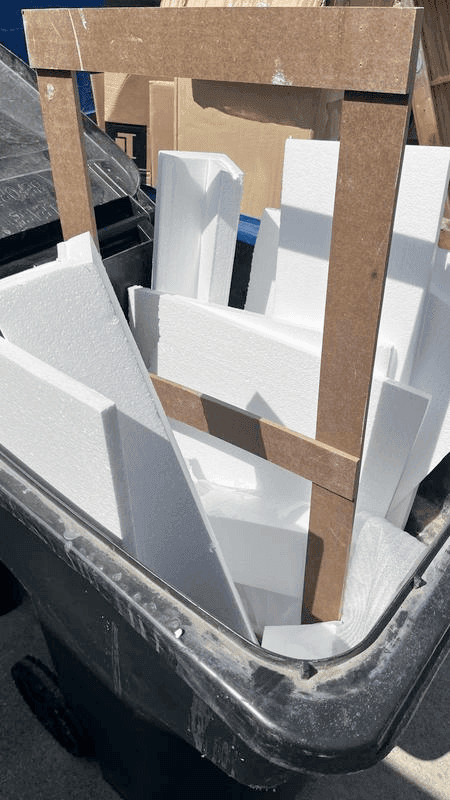
Trash from an online purchase of an item received damaged
How can someone begin to research the core values of an online company they intend to purchase from? Direct phone calls or inquiries, as well as online searches and forum communities are the best way a minimalist consumer can better understand more about the company behind the products they utilize. Understanding the company's background is key to understanding their footprint and commitments towards efficiency and waste reduction. More companies committing towards transparency and accuracy in describing the resources utilized in their distribution pipelines is key to helping customers make more informed consumption choices. Retailers and consumers can work together to reduce plastic pollution, minimize carbon emissions, and mitigate the effects of climate change.
Mattress Returns
Recently I was thinking about what happens when people return a mattress. Thinking about mattress returns in particular is worthwhile because it can be used to highlight the problems of undisciplined consumption. Many mattress purchases are made online, with most consumers never having the opportunity to experience the mattress in real life before making a commitment to it. This has made mattress waste and over production more problematic. The problem is only growing exponentially worse. More and more mattresses are being disposed of when a customer could have had the opportunity to experience the mattress in store if it were actually available on the floor.
Mattress companies make it so hard to try something before you buy it. Returned mattresses are often not resold due to hygiene and health concerns. Once a mattress has been used, it may have accumulated bodily fluids, allergens, and other contaminants, making it unsuitable for resale as a new product. Additionally, in some cases, the structural integrity of the mattress may be compromised, leading to issues with comfort and support.
As a result, many retailers and manufacturers choose to dispose of returned mattresses rather than reselling them. This disposal process typically involves sending the mattresses to landfills or incinerators, both of which contribute to greenhouse gas emissions. Landfills emit greenhouse gases such as methane, a potent contributor to climate change, as organic materials decompose in anaerobic conditions. Incinerating mattresses also releases carbon dioxide and other pollutants into the atmosphere, further exacerbating climate change.
The production and disposal of mattresses require significant amounts of energy and resources, including raw materials, transportation, and waste management. By not reselling returned mattresses and instead sending them to landfills or incinerators, the environmental footprint of the mattress industry increases, contributing to climate change and environmental degradation.
Often asked why someone decided to return something they will reply with, "I just changed my mind." Or something like, "I decided I didn't need it." What a lack of conviction and understanding before deciding to purchase something. Returns should be for things with inaccurate or misleading descriptions as well as defective items. They should not be because we made a poor decision. We need to strive for mindful intentional consumption choices, rather than making hasty mistakes. Returns due to buyer remorse can be avoided by cognizant of our consumption emotions and urges. Its also important to be aware of the external pressures driving us to consume recklessly. We are better than that and can avoid such trifling mistakes.
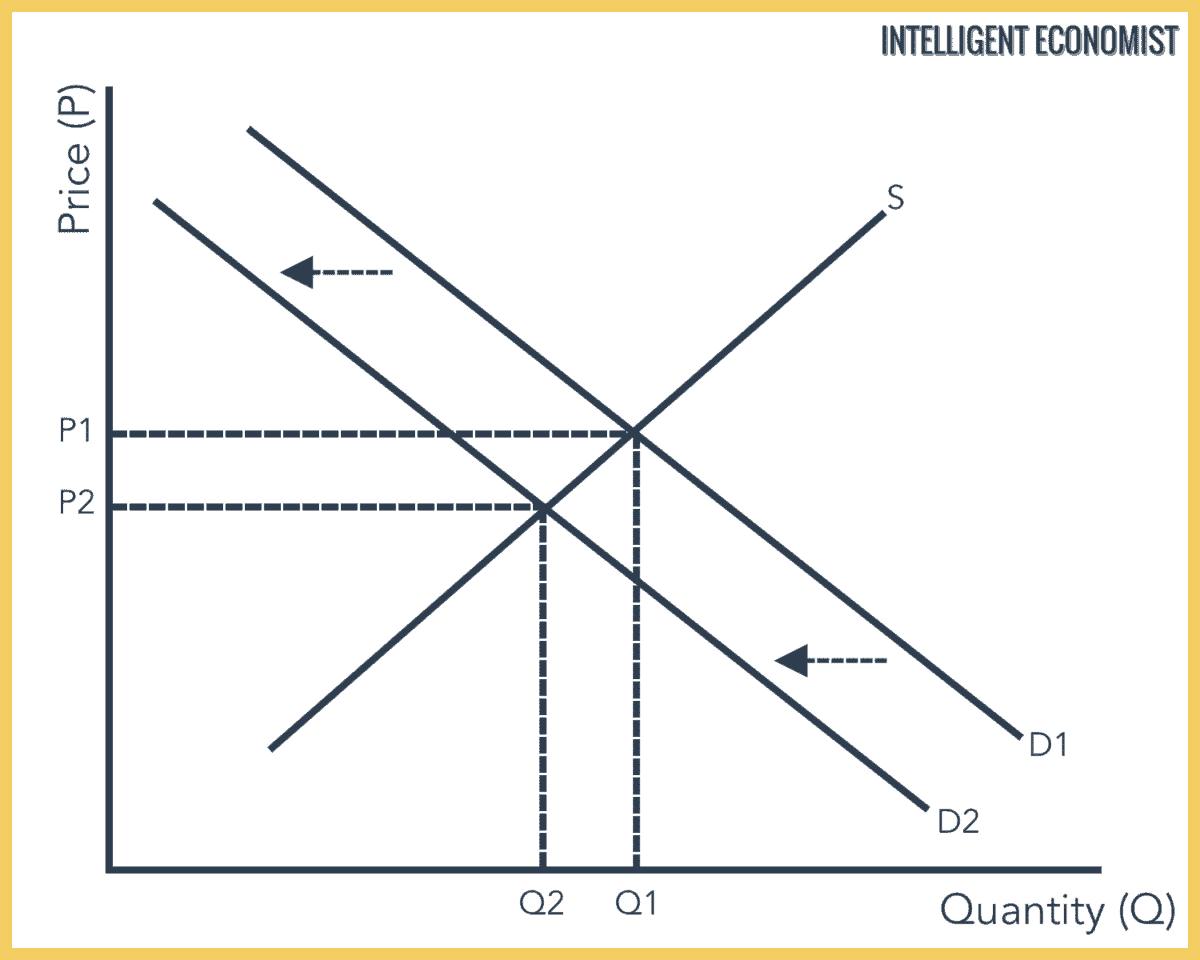
Intelligenteconomist. (2017). How A Decrease in Demand Affects Market Equilibrium [Image]. Retrieved from https://www.intelligenteconomist.com/wp-content/uploads/2017/08/How-A-Decrease-in-Demand-Affects-Market-Equilibrium.png
Always remember when you feel discouraged, that demand is in your control and no force is more powerful than your habits and influence.
Therefore minimalistic consumption habits have a the ability to make an impact on economic market equilibrium forces. Your lifestyle is a small piece of the entire world economy. You have the ability to further spread minimalism and sustainability in your community and throughout society by sharing your experiences. Linking with others to help them understand how establishing upon minimalism as a core foundation in your life has allowed you to thrive sustainably.
Comments
Loading comments…