- Part
- Part II: Minimalism and the Climate Crisis · Chapter 7
Climate Change
36 billion metric tons of CO₂ emissions are released into the atmosphere every year through the combustion of fossil fuels. That is roughly 98 million metric tons of CO₂ released per day. Fossil fuel emissions are driven by multiple factors. CO₂ is an inert gas so once it's in the atmosphere the only way it can really be removed is through photosynthesis. But the reality is there aren't nearly enough plants on Earth to provide sufficient carbon fixation relative to the scale of human linked greenhouse gas production. Some emissions are necessary for modern society to function. A significant amount of emissions are wasteful and could largely be avoided by changing consumption patterns to reduce excess. The main causes of climate change are related to the demands of humans on our environment resources. For example:
- Over consumption
- Over producing food. Systematic, food waste
- Over commuting. Wasted transportation fuels. The cause of which has many factors
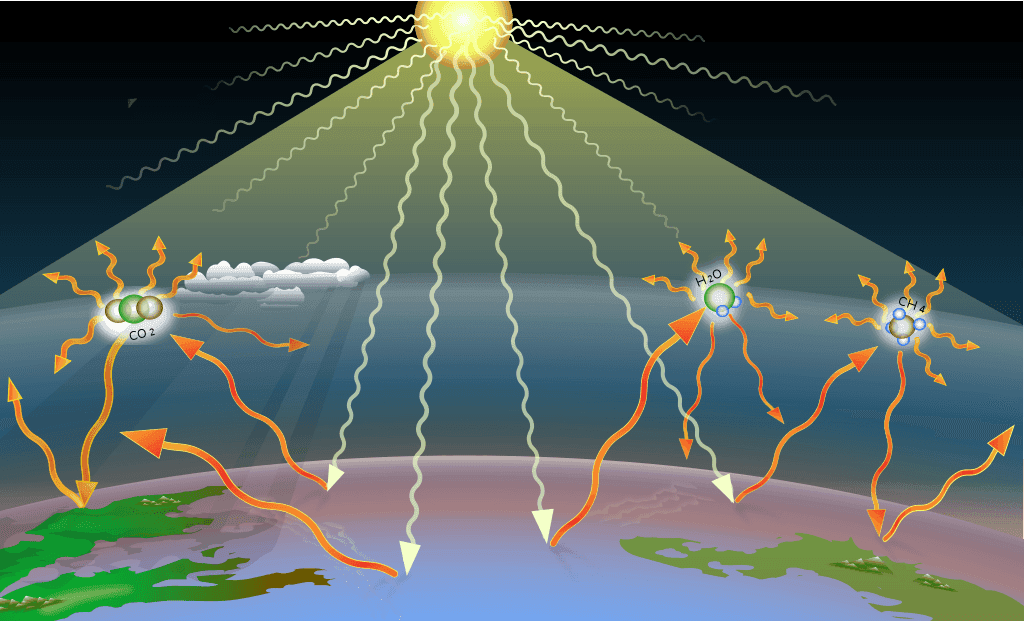
"Greenhouse-effect-t2.svg." Wikimedia Commons, Wikimedia Foundation, 23 June 2015, commons.wikimedia.org/wiki/File:Greenhouse-effect-t2.svg.
Through human activity greenhouse gas concentrations on Earth have increased precipitously. This causes anthropogenic---meaning from human activity--- global warming. Originally the changes predicted as a result of increasing atmospheric greenhouse gas concentrations was referred to as global warming. This is probably because when it was first studied the focus was on how more greenhouse gases in the atmosphere cause the Earth to heat up as energy is blocked on earth. I don't think it was fully realized until later that this warming pattern would end up causing the entire Earth's climate to change. Which is why I think climate change or the climate crisis was a more broad way to describe the situation.
There is a direct relationship between how much we consume and how much fossil fuel emissions are released into the atmosphere. Consumption directly impacts greenhouse gas emissions through the production, transportation, and disposal of the goods and services created by our civilization. The amount of fossil fuels that are mined or drilled then refined for production is directly influenced by the amount we demand and consume. Fossil fuel companies are not entirely to blame for climate change because their actions are largely in response to our demands for more energy. They create and drill for supply based on our demand. They are responsible though for widespread deception campaigns aimed at detracting the public from climate change activism and risk awareness.
It's important to be cognizant of how the rules of economics apply to the energy infrastructure of our world. The demands of a high consumption lifestyle depend upon the resources supplied by fossil fuels supplied by Big Oil and all the downstream energy produced by companies connected to it. One could make the argument that if people knew how detrimental fossil fuels are to our ecosystems and overall public health they might push for more environmental activism. Unfortunately this isn't how things have played out.
Over the last decade public awareness of environmental issues has increased substantially. Most people are now aware of the risks to air quality, water resources, and the planet as a whole due to fossil fuel use. Concern has increased despite Big Oil deception campaigns. However even though most are now affected by climate change we mostly carry on with business as usual.
Immediate reductions in consumption---what we might call a minimalist approach---alongside long-term improvements in technological efficiency, are among the only real paths toward a sustainable future on Earth. By minimalism, I mean a way of living that prioritizes necessity over excess, focusing on what truly adds value to our lives while cutting out what doesn't. It's not just about owning fewer things---it's about rethinking the systems and habits that lead us to waste in the first place. Climate change, plastic pollution, and other environmental crises are less the result of bad technology and more the product of our collective overconsumption and disregard for limits. The solution, then, is not just to buy greener products or switch to cleaner energy---though those help---but to fundamentally change our relationship to consumption, starting with a willingness to slow down, question our habits, and live with greater intentionality.
Climatic Extremes
As a minimalist its important to think about the current state of our climate as well as the issues arising from changes to it. Being mindful of the latest trends and concerning milestones will help us become more connected to solutions. Thinking about the situation with a broad perspective will help us understand why making more informed and balanced consumption decisions is so impactful. Having a broad perspective on climate change is crucial because it allows us to recognize the interconnectedness of environmental, social, and economic factors, helping us to address the root causes and implement holistic solutions that benefit both the Earth and the health of our posterity.
We now find ourselves in a period on Earth called the Anthropocene. This time period began with the commencement of significant human activities on our planet. The impacts of these activities can be seen in biodiversity loss and anthropogenic climate change. We are in the middle of an ongoing extinction event because humans have caused a rapid rate of habitat and species loss. Humans are transforming Earth's natural landscapes so dramatically that as many as one million plant and animal species are now at risk of extinction. These losses pose a dire threat to ecosystems people depend on for survival all over the world.
We currently find ourselves in an ongoing extinction event known as the Holocene Extinction. Estimated levels of species extinction rates are 100 through 1000 times higher than background extinction rates. This is the seventh known extinction event that has occurred on our planet.
The Holocene extinction, sometimes referred to as the Sixth Mass Extinction or Anthropocene extinction, is an ongoing event characterized by a significant loss of biodiversity on Earth. Unlike previous mass extinction events, which were primarily caused by natural phenomena such as volcanic eruptions or asteroid impacts, the Holocene extinction is largely attributed to human activities. Several factors contribute to this phenomenon:
- Habitat Destruction: The conversion of natural habitats into agricultural land, urban areas, and infrastructure projects is a leading cause of species loss. Deforestation, in particular, destroys crucial habitats for countless plant and animal species, reducing biodiversity and contributing to population declines.
- Climate Change: Human-induced climate change, primarily driven by the burning of fossil fuels and deforestation, is altering ecosystems and habitats worldwide. Rising temperatures, changing precipitation patterns, and extreme weather events are disrupting ecosystems and threatening the survival of many species, especially those with specialized habitat requirements or limited geographic ranges.
- Overexploitation: Unsustainable hunting, fishing, and harvesting of wildlife for food, medicine, and other purposes are driving many species to extinction. Overfishing, in particular, has depleted marine populations and disrupted marine ecosystems, leading to cascading effects throughout marine food webs.
- Invasive Species: The introduction of non-native species to new environments, either intentionally or accidentally, can have distressing effects on native flora and fauna. Invasive species often out compete native species for resources, disrupt ecosystems, and contribute to the decline of native species populations.
- Pollution: Pollution from various sources, including industrial activities, agriculture, and urbanization, poses a significant threat to biodiversity. Pollution can contaminate waterways, soil, and air, leading to habitat degradation, ecosystem disruption, and direct harm to wildlife.
- Fragmentation: Fragmentation of habitats due to infrastructure development, such as roads, dams, and urban sprawl, isolates populations and reduces genetic diversity. Fragmented habitats are more susceptible to ecological disturbances and less resilient to environmental changes, increasing the vulnerability of species to extinction.
- Poaching and Illegal Wildlife Trade: Poaching and illegal wildlife trade pose significant threats to many species, particularly those targeted for their valuable parts or products, such as ivory, rhinoceros horn, and exotic pets. Illegal hunting and trade drive populations of endangered species closer to extinction and undermine conservation efforts.
Beyond the current extinction event we are seeing planetary extreme climate patterns exacting a heavy toll on human civilization. These are deeply concerning recent climatic issues directly linked to the impacts of anthropogenic climate change. We are witnessing record wildfires, record hurricane and typhoon strength, record economic losses from hurricanes, record heatwaves, sea level rise, and major agricultural die off events and crop losses.
We see insane cold snaps such as those that impacted have impacted the Central South of the United States, states such as Texas in the winter.
Record cold snaps and weather oscillations are being triggered because the Earth's poles are warming faster than anywhere on the planet. This is causing many of the world's extreme weather events to worsen as the Arctic ice melts and jet stream shifts. The strength of the summer jet stream, a river of wind that propels weather systems around the globe, depends on extreme temperature differences between these two regions. As the planet warms and this contrast diminishes, the jet stream weakens and can no longer push large weather patterns out of the way.
On the opposite end of the spectrum heat waves unlike anything humans have ever experienced before. The worst part is these will continue to get worse year after year while greenhouse gas emissions rise. Imagine the record high temperatures falling this week and year. In 5 years or 10 years they might be even more distant memories as we continue to see records broken and the planet become less livable.
Details on these extreme events are in the back matter section.
It's agonizing and vexing when you wonder: What can I do to help slow down anthropogenic climate change?
Seeing the impacts on humanity of such extreme climate change is heartbreaking. The most difficult thing to accept as these tragedies unfold is that it's caused by mankind. The biggest challenge humanity has faced as climate change progressed over the years is accepting responsibility and fault. Accepting that its reality can drive a lot of emotions. There have been heated battles and debates in congress and corporate America. Efforts to detract and mislead the public about the issues are well known and documented. Seeking to delay action for personal gain is selfish and unethical. But we need to understand and dig deeper into the motives behind the denial. Drilling into the causes of environmental degradation is important because it allows to shift our focus away from the personal vendettas and into introspective solutions.
The Environment is The Economy
Given the backdrop of various record breaking tragic events linked to the environmental crisis unfolding globally, we can make the assertion that climate change is one of the main causes of inflation. The increasing frequency of extreme weather events linked to the climate crisis along with all the downstream impacts of those events has had a considerable impact on the rising costs of goods, food, and services in recent years. Therefore, inflation is caused by climate change. This is why food prices will continue to go up no matter which administration controls the government. The climate is the economy and inflation is directly and indirectly worsened by adverse changes to our ecosystems.
Impact on Agricultural Production: Climate change can lead to extreme weather events such as droughts, floods, heatwaves, and storms, which can disrupt agricultural production. These events can damage crops, reduce yields, and diminish livestock productivity, leading to decreased food supply. When supply decreases while demand remains constant or increases, food prices tend to rise, contributing to food price inflation.
Changes in Crop Patterns: Climate change alters temperature and precipitation patterns, affecting the suitability of certain regions for crop cultivation. As a result, farmers may need to adapt by changing the types of crops they grow or shifting their agricultural practices. Transitioning to new crops or practices can elevate overall costs. Often increased costs are passed on to consumers in the form of higher food prices.
Home insurance companies have dropped policy coverage options across a wide part of the United States. If home insurance is even available, the premiums now are subjected to record annual renewal price increases. The cause such volatile insurance prices as well as of policies being dropped altogether is linked to the increasing volatility of our planet's climate.
In 2023, the U.S. experienced 28 separate billion-dollar weather and climate disasters. This surpasses 2020 --- which had 22 events --- for the highest number of billion-dollar disasters in the U.S. on record. Record heat waves, drought, wildfires and floods are a sobering reminder of the consequences of the long-term warming trend we're seeing across our planet.
The frequency of extreme events linked to climate change is increasing. Climate change is associated with an increase in the frequency and intensity of extreme weather events. Millions of US homes are underinsured because their premiums don't fully reflect the risk of climate-fueled catastrophes. These events can cause property damage, including flooding, wind damage, and wildfires, leading to higher insurance claims for homeowners. To cover the increased risk of property damage, insurers may raise premiums, resulting in home insurance price inflation.
Sea level rise, driven by climate change, poses risks to coastal properties due to increased flooding and erosion. Insurers may perceive coastal properties as higher-risk assets and adjust premiums accordingly to account for the elevated likelihood of damage from storms and sea level rise. This can contribute to home insurance price inflation for properties located in coastal areas.
In some cases, climate change-related risks may make certain properties uninsurable or lead insurers to withdraw coverage from high-risk areas altogether. This can leave homeowners with limited options for obtaining insurance, potentially leading to higher premiums for those who can still access coverage.
The 2023 wildfire season in Canada was the most destructive in human history. It impacted the entire world. In particular in impacted most directly those living in the United States and Canada due to major air quality issues that lasted for months. Canada is now experiencing an exponential increase in zombie fires. These are fires that burn year round, even in winter under snow in subzero temperatures.
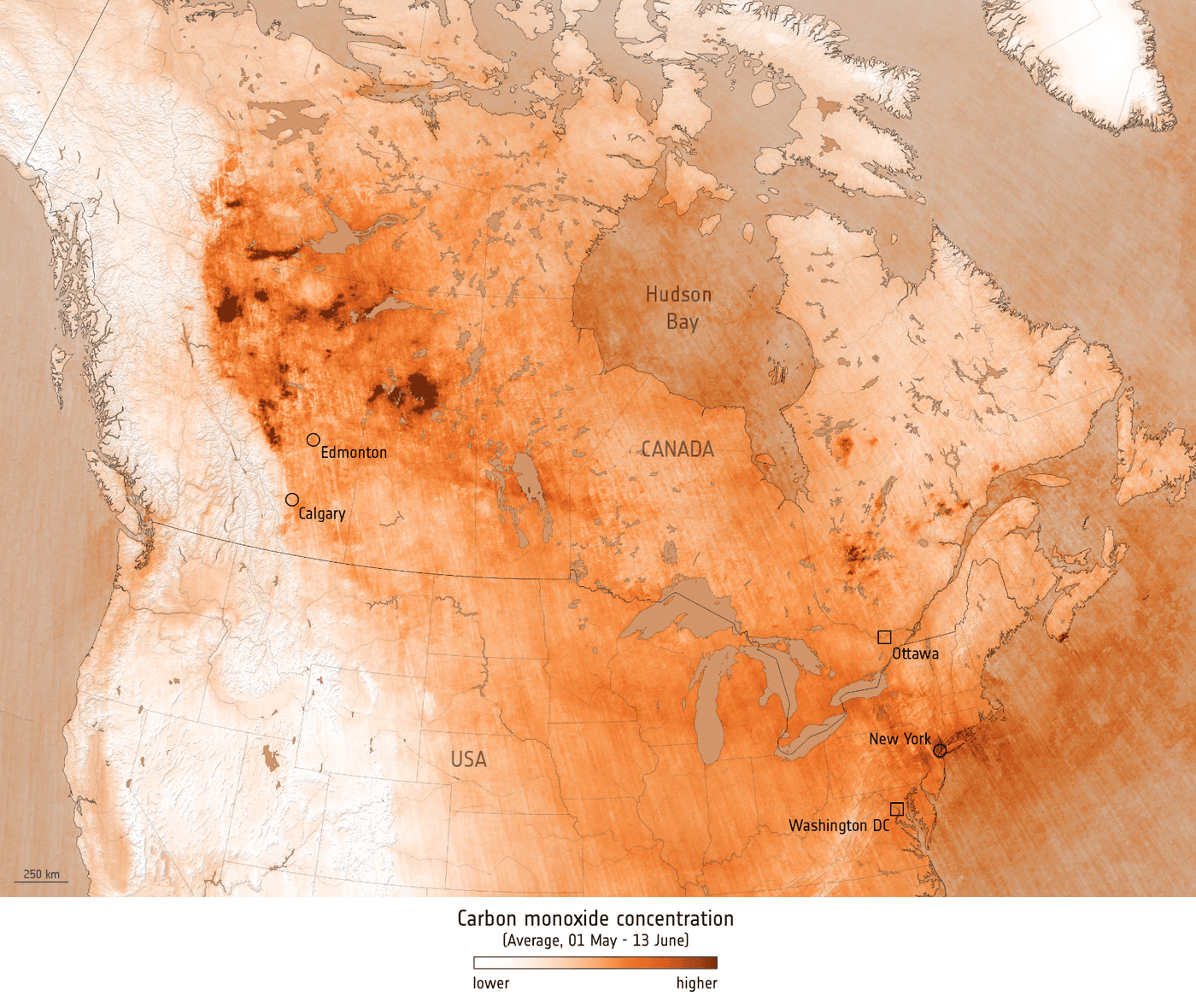
"Carbon monoxide from fires in Canada ESA24926246.jpg." Wikimedia Commons, https://commons.wikimedia.org/wiki/File:Carbon_monoxide_from_fires_in_Canada_ESA24926246.jpg.
What happened to the people of Maui in Lahaina during August 2023 was truly devastating. Is is the worst wildfire and natural disaster in the state's history. It's the the fifth deadliest wildfire in United States history.
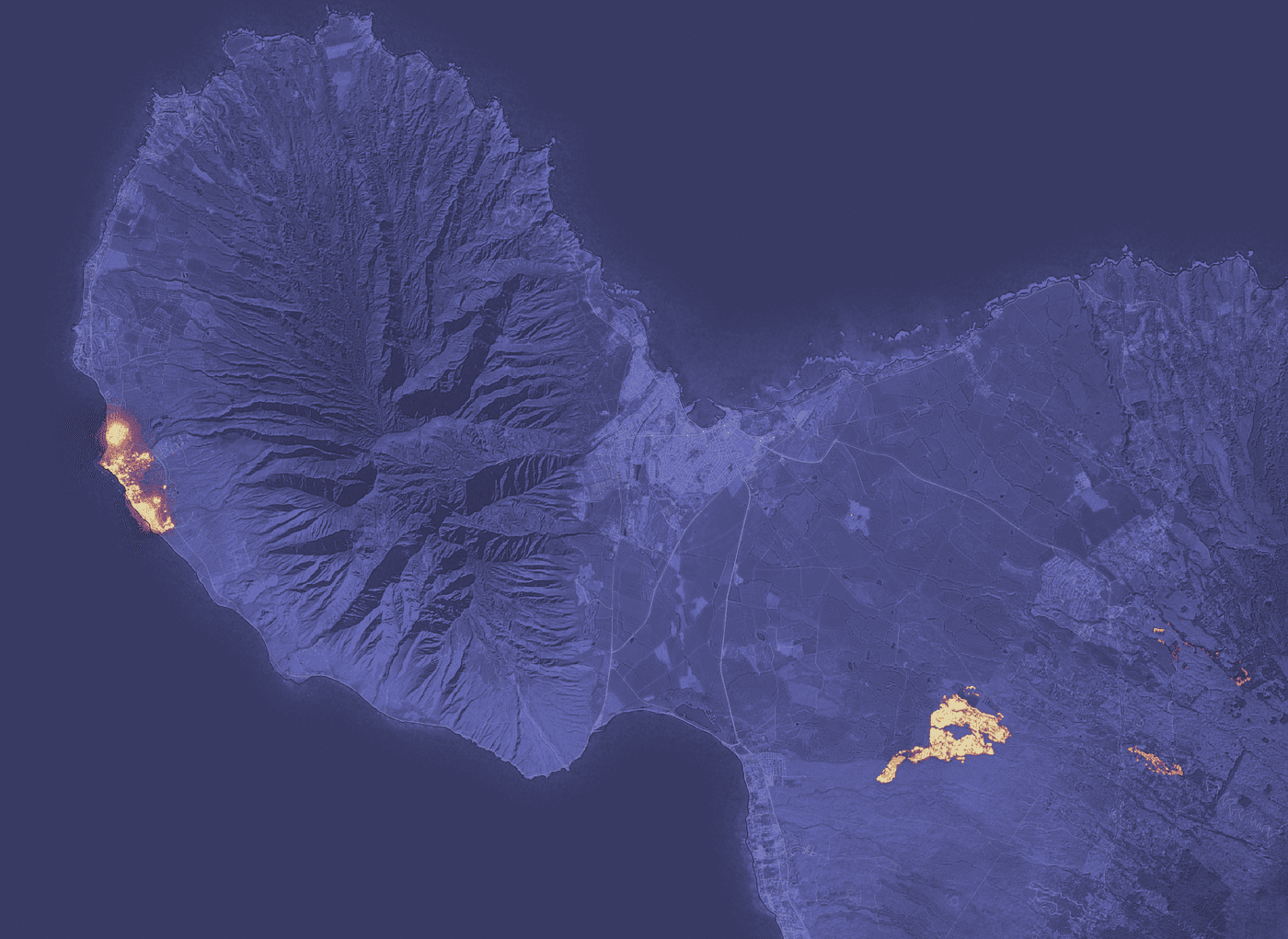
"Maui wildfires 2023." Wikimedia Commons, uploaded by WildfireWatch, 10 August 2023, https://commons.wikimedia.org/wiki/File:Maui_wildfires_2023.jpg.
The truth is we aren't doing nearly enough to slow down greenhouse gas emissions growth and the Earth is gradually becoming less habitable for mankind. The climate is destabilizing.. To me one of the most harrowing aspects of the climate crisis is the lack of backup options. The reality is Earth is our only viable home. It is all there is for us. There is no where else to go. We are part of this tightly interconnected ecosystem where all beings are completely bound to one another. Our home is surrounded by darkness for over a hundred million miles. There is no option B. There won't be anytime soon. The worst impacts of climate change would long be realized long before Mars could actually be a truly viable alternative home for us.
The unfortunate reality for the health of our planet is, the more people fly, the more they drive, the more they buy, the more they eat, the more they waste, the worse the overall ecosystem condition becomes. Little by little all these events and things made multiplied by billions of people everyday have caused adverse changes to our planet.
Our immediate future depends on the health of our home planet. If we don't right the course on greenhouse gas emissions by making urgent changes to limit emissions now, then we will have lost the habitability of Earth. I can envision us having to stay inside throughout the majority of our lives without being able to go outside. Does this feel so much like a remote possibility now? Compare the number of temperate weather days in your region these days compared to how it was in the past. The number of days in a year we can enjoy the natural world outside is diminishing although our need to connect to nature and others through it has never been higher. It seems year over year temperate days become more elusive. Fires. Droughts. Extreme weather events. Floods. The impacts are just getting worse. Remember how it felt during the pandemic lock downs starting in 2020 through the middle of 2022? Extreme intensified climate change related weather events kind of remind me of that. It almost felt like our lives were confined to being stuffed inside boxed air conditioned units.
We can think of the climate and the Earth in much of the same way. Contextually the health of our climate and the Earth itself is coupled closely together. For life to be more sustainable on out planet, we have to protect the health of our climate. We are all part of this interconnected biological community. No one who has come before us has ever been able to breakaway from this fundamental bond and no one ever should. We are bound to Earth as Earth is to us. Becoming a multi planetary species is an important aspiration for humankind; however overlooking the importance of Earth as our center and roots blinds us from urgency of confronting climate change.
I could sit here and go on about all the intensifying major natural disasters we have experienced in recently, but what's the point? It will just make us anxious and miserable. Absorbing the significant of all the broken records related to the climate crisis is difficult. Its saddening to see mankind grow more disconnected from nature and each other.We know how serious the problem is. We all recognize something is amiss with out planet. We hear that things are turning and we will fix this, but the data shows the status quo continues.
How Minimalism Can Help
The climate crisis has proven itself to be incredibly difficult to solve. Year after year, conference after conference, promise after promise it seems like we have made little headway. Assessing actual progress comes down to the math. Are we supporting the planet in fixing an equal amount compared to what we produce in greenhouse gasses annually?
As I write this chapter a torrential rain is falling around me. In times like these I am reminded of how intricately our behaviors impact our world. Our lifestyles directly impact the health of our climate. Since the climate crisis has worsened in recent years, every part of Earth has been oscillating between record floods and record droughts. No part of our planet has avoided the ongoing impacts of the climate crisis. Experiencing extreme weather days like today can be saddening. Seeing the increasingly frequent extreme outcomes of a changing planet is difficult. I remember that today it will be a record rainfall, but before long it will be quickly followed by elongated periods without any rain at all. No matter what distressing periods we will face in the days and years ahead, never let go of your resolve to embody minimalism as the only truly viable lifestyle that can protect our planet. Minimalism is the only way to help break this vicious cycle and to protect ourselves and the future generations who will inherit this planet.
We strive to keep our home clean. When we clean our homes, the idea is to get rid of the trash and other things that we don't want around. To get things out of our way by sweeping up dirt, dusting, vacuuming, and ridding ourselves of that accumulate in our house out of our way directly. Out of of sight, is out of mind.
Keeping our homes tidy is a very important aspect of minimalism. Using cleaning up as a sort of microcosm, try to reflect on the broader connection to the planet. What I mean is, at an even higher level, all the things we dispose of still end up somewhere else. Even the smallest things never really completely disappear. Objects might move from place to place, but they will still be around. Even if you can't see it, it's important for us to remember that when we remove something from our immediate surroundings they appear cleaner, however the burden shifts to the outside environment.
As the principle of the conservation of mass outlines in physics and chemistry, trash never really goes away. Whenever we throw something away, somewhere else gets dirtier as a result of our disposal. Matter is neither created nor destroyed. Therefore, higher consumption leads to higher waste production. More trash will end up being disposed of. It might be moved from place to place, but it never is really destroyed. Even if it ends up being burned off, it still ends up in the air and will eventually come back down to ground. It might end up in the water or a piece of food. In the end all life on Earth is eventually impacted by our consumption choices. All our rubbish ends up as waste somewhere. This is an important concept to reflect on as a minimalist. Thinking of this helps to build mindfulness of how consumption impacts the planet. It helps us remember how harmful excess consumption is. Because excess consumption leads to so much being discarded that will be around long after our use of it has completed.
When asked what is the most important way people can help protect the environment, I reply, "Simplicity through minimalism."
Climate minimalism
Minimalism, at its core, is the practice of intentionally living with less---focusing on what truly matters while reducing unnecessary consumption. It prioritizes sustainability, mindfulness, and simplicity over material accumulation and constant growth. For example, this might look like owning fewer possessions, prioritizing experiences over products, or choosing to live in a smaller space to reduce environmental impact. While minimalism is often adopted on an individual level, its principles challenge the broader economic model that drives much of modern society.
Minimalism is the key to balancing our personal needs with those of the planet. A minimalist can improve their financial situation, overall health, and the viability of our ecosystems. Adopting the habits and patterns of a minimalist will also ensure we are on a path to personal sustainable growth. The trajectory of our own lives is coupled with the health of our community and the planet as a whole. Therefore the reductions in waste a minimalist is responsible for will not only improve the lives of billions but of the unborn billions to come.
There is the problem as well as the opportunity we are presented with. I want to talk about actual, practical solutions. The destruction and extinction of entire ecosystems hangs in the balance depending on our actions. This is our climate. This is our opportunity. We have within our power the ability to avert disaster and save our planet. But only if we embrace the importance of changing individual and societal consumption patterns now.
Comments
Loading comments…